Why Laravel + Vue Remains the Architectural Standard for Complex Web Projects in 2026
Breaking down why the Laravel + Vue stack is still the most reliable choice for corporate portals, high-load systems, and long-term projects. Studio experience, real case studies, and hard numbers.

Why Laravel + Vue Are the Architectural Standard for Complex Web Projects in 2026
We explore why Laravel and Vue remains the most reliable choice for corporate portals, high-load systems, and long-term projects. We explore the studio's experience, real-world cases, and figures.
Ten years after Laravel 5 and Vue 2 launched, debates still rage: "Is this stack still relevant?" In 2026, the answer is a resounding yes. It just looks different now: Inertia.js, on-the-fly SSR, hybrid queues, and AI assistants baked into admin panels.
At WEB-Studio "Saturn", we've been using Laravel + Vue since 2018. Over 40+ complex projects have passed through our hands: from ERP systems for logistics to marketplaces with 200,000+ SKUs.
This article explains why we still choose this ecosystem and who it's truly for.
Who Does NOT Need Laravel + Vue (Honest Take)
Let's cut to the chase. Need a landing page in 3 days? Go with Tilda or plain Laravel + Blade. Building a SPA without a backend? React + Vite.
Laravel + Vue is for:
- High-level business logic (statuses, scoring, roles, audit trails)
- Complex forms with dependent fields and real-time validation
- Corporate portals with dozens of entities and relationships
- Projects that will live and evolve for 3–5+ years
Why This Stack Is the Architectural Anchor
1. Unified Stack Without "Frontend Hell"
One team handles both backend and frontend. No forcing backend devs to wrestle with Node.js or frontend devs with Eloquent.
Real-world example:
We built a CRM for a distributor. 140 tables, 450 endpoints. Delivered on Laravel + Vue in 6 months. React + Django would've taken 10–11 due to constant type sync, API layer, and role mismatches.
2. Inertia.js — Killed REST Pain
Since 2023, our project standard is Laravel + Inertia + Vue. No manual API creation, no axios boilerplate.
You just write:
return Inertia::render('Orders/Index', [
    'orders' => Order::with('client')->paginate()
]);
<!-- Vue -->
<script setup>
defineProps(['orders'])
</script>
Done. Automatic CSRF, session state, redirects, toast notifications.
3. Performance Without Headaches
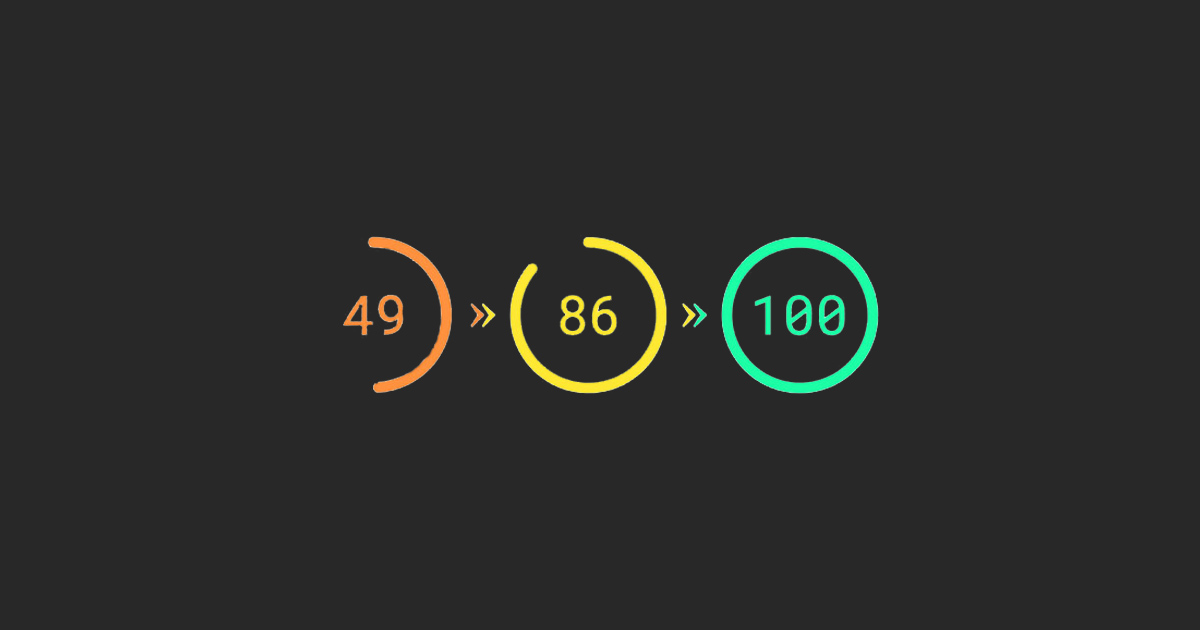
In 2026, clients demand First Paint < 0.8s. Laravel + Vue delivers out of the box:
- Server-side rendering via Laravel SSR (stable since 2024)
- Automatic code splitting
- DB handling with lazy loading protection
In one project (real estate exchange), catalog page load dropped from 2.1s to 0.7s after switching from REST API to Inertia + eager loading.
Real Studio Case Studies
Case 1. Logistics Platform (EU)
- Task: Route 3000+ orders daily, "dispatcher" role with real-time map
- Solution: Laravel + Vue + Laravel Reverb (WebSockets)
- Result: Dashboard updates in 200ms. Team size: 3 backend + 2 frontend (but everyone wrote both). Client saved 40% on integrations
Case 2. Medical Portal (RF)
- Task: 15 user types (doctors, patients, insurers). Massive forms with conditions
- Solution: Laravel + Vue + Spatie Permissions
- Why not React: Strict audit requirements and backend type safety
Technologies We Actually Use in 2026
| Component | What We Use | Why |
|---|---|---|
| Backend | Laravel 12 (LTS) | 3-year stability |
| Frontend | Vue 3 + Composition API | Reusable components |
| Bridge | Inertia.js | No API layer |
| UI | PrimeVue / shadcn-vue | Ready tables, modals, forms |
| Queues | Laravel Horizon + Redis | High-load processing |
| Search | Meilisearch + Vue InstantSearch | Fast search on 1M records |
| WebSockets | Laravel Reverb | Real-time without Socket.io |
When NOT to Push This Stack
We often hear: "Let's do Laravel API + Next.js." Makes sense if:
- Separate frontend/backend teams
- Frontend sold separately (white label)
- Need full-static on some pages
Otherwise, Inertia + Laravel + Vue match monolith dev speed with modern SPA UX.
Cost and Risks
Budget: Complex project (3–6 months) — $25,000 to $80,000 depending on integrations.
Risks:
- Inexperienced devs writing heavy queries in components
- Inertia SEO issues (solved with SSR in 1–2 days)
- Complex deploy for split front/back (we have ready Docker stack)
Our Guarantees:
- Weekly code reviews
- Automated tests (PHPUnit + Vitest)
- 3 months post-launch support
Conclusion: Adopt or Not?
If your project:
- Lives >2 years
- Has complex business logic
- Needs admin with dozens of screens
- Requires role control and audit
...Laravel + Vue is the most pragmatic choice in 2026.
We've proven it for 8 years. 0 projects rewritten. 3 sold as ready SaaS.
Want to discuss your project?
Send us your spec or idea — we'll do a free architectural review (1-hour Zoom + DB schema and stack diagram).
WEB Studio "SATURN" — Complex web systems on Laravel + Vue since 2018.